Development
Planning Integrations for a New Forex Brokerage
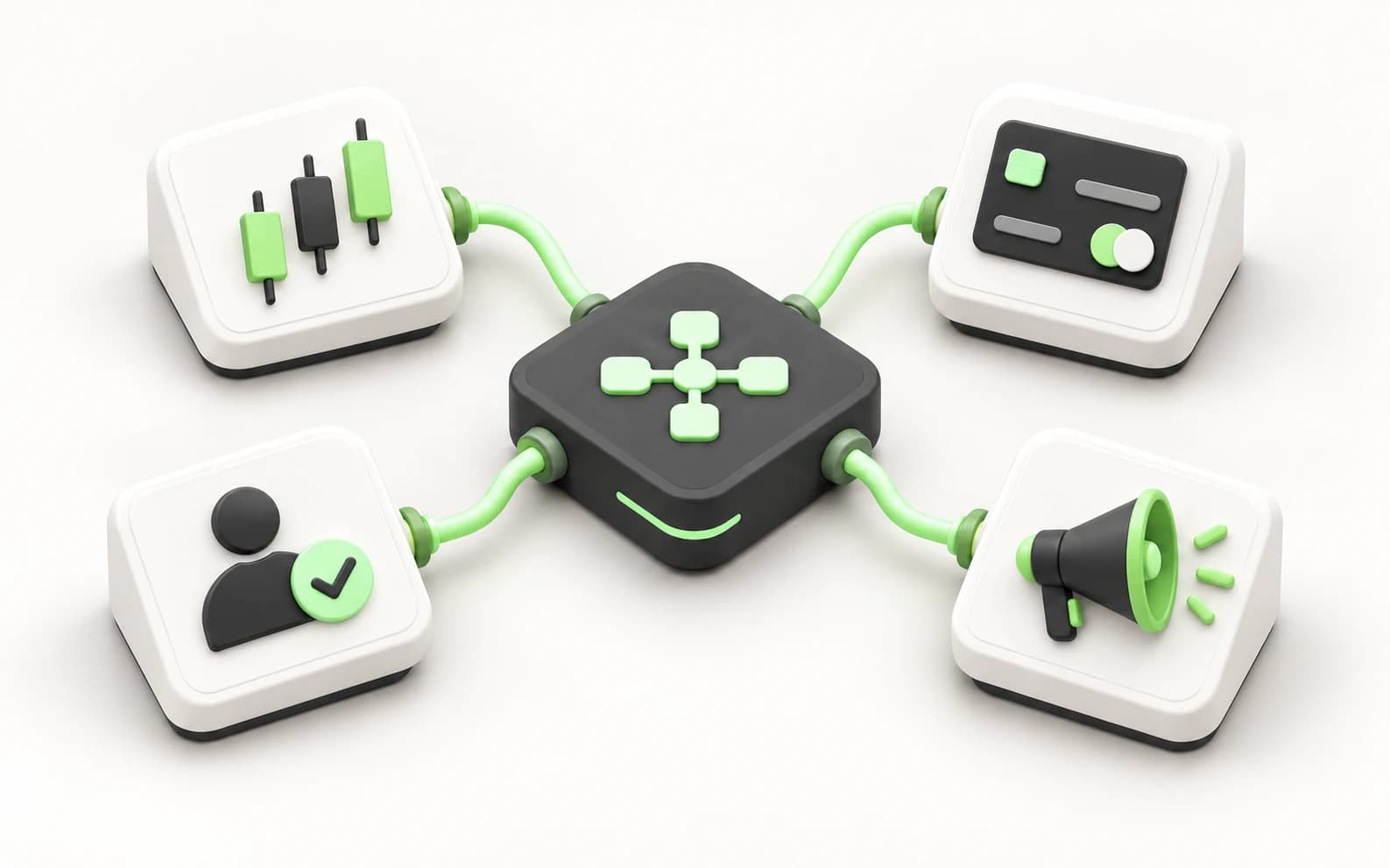

A brokerage is only as reliable as the connections between its systems. Pricing, execution, payments, compliance and marketing each have their own providers, and the development work that ties them together often decides how smoothly launch day goes.
Start with a map of your systems
List every system the business depends on, including the trading platform, CRM and backoffice, liquidity bridge, payment providers, KYC services, email and analytics, and the data each one needs from the others. That map becomes the scope for integrations and shows where custom development is genuinely needed.
Prioritise the client journey
Integrations that touch clients directly deserve the most attention: registration, verification, funding an account, opening the first trade and withdrawing profits. Test these flows end to end, including failure cases such as rejected documents or declined payments.
Build on APIs, not manual work
Manual exports between systems become a bottleneck as soon as client numbers grow. Well-documented APIs and webhooks let events such as a completed deposit or a verified account update every connected system automatically.
What to plan for
- Sandbox environments for every provider before going live
- Monitoring and alerts for failed payments, sync errors and platform downtime
- Security reviews, access controls and encryption for client data
- Documentation so new team members and partners can extend the integrations
- A roadmap for custom features once the core launch is stable
With the essentials connected and monitored, custom development can focus on what sets the brokerage apart, such as client portals, trading tools or automation for internal teams.
